Deposit Patterns and Their Role in Unlocking Reward Levels Alongside Monitoring Features on British Online Gaming Sites
Olivia Washington · Oct 12, 2026
Deposit Patterns and Their Role in Unlocking Reward Levels Alongside Monitoring Features on British Online Gaming Sites
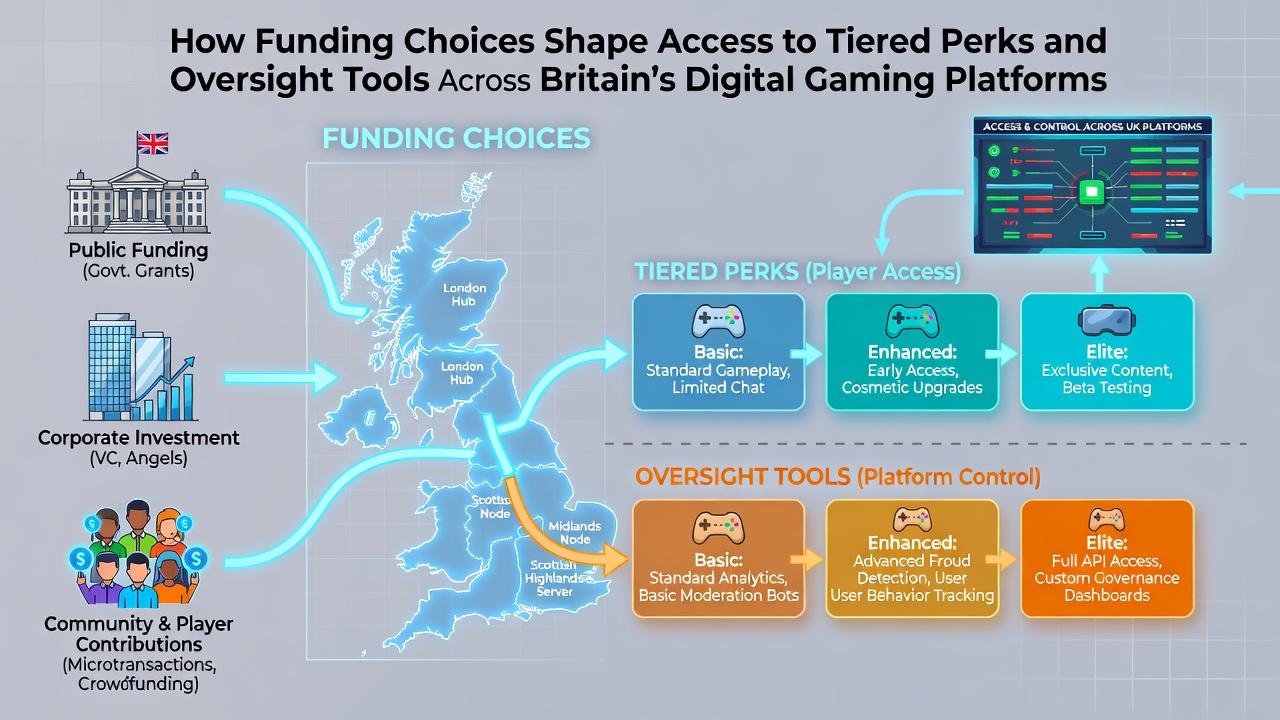
Funding decisions made by players on Britain's digital gaming platforms determine which reward tiers become available and which oversight mechanisms activate during account activity. Deposit volumes, frequency of transactions, and total spend across sessions create pathways into loyalty structures where cashback rates rise, bonus eligibility expands, and priority support unlocks.
Funding Thresholds That Define Perk Access
Platforms structure their loyalty systems around cumulative deposits, so a player who transfers £200 monthly typically enters mid-level tiers while someone maintaining £50 deposits remains in entry categories with limited rewards. These thresholds appear across multiple operators, where data from transaction logs shows that higher funding correlates directly with faster progression to VIP status and associated benefits such as exclusive tournaments or personalised promotions.
Monthly deposit caps chosen by users also influence perk delivery because many systems tie reward multipliers to spending bands, meaning a player selecting a £300 monthly limit accesses enhanced cashback percentages compared with lower-limit accounts that receive standard rates only.
Oversight Tools Linked to Spending Activity
Deposit choices interact with built-in monitoring features because platforms embed reality-check prompts, loss-limit settings, and session-time alerts that scale according to account funding history. Accounts with consistent high deposits often receive automated suggestions for tighter controls after reaching certain spend milestones, while lower-activity accounts trigger these prompts at reduced thresholds.
Research indicates that integrated tools such as voluntary self-exclusion periods become more prominent in interfaces for users whose deposit patterns exceed average platform benchmarks, creating a feedback loop where funding behaviour directly affects visibility of protective options.
Regional Comparisons in Platform Design
British operators align their tier systems with patterns observed in other markets, yet they adapt perk structures to local player data. A Canadian government report on digital gambling highlights how deposit-linked rewards in regulated environments increase engagement while simultaneously prompting earlier activation of limit-setting features. Similar dynamics appear in Australian industry analyses, where funding volume predicts both reward uptake and the adoption of oversight measures.
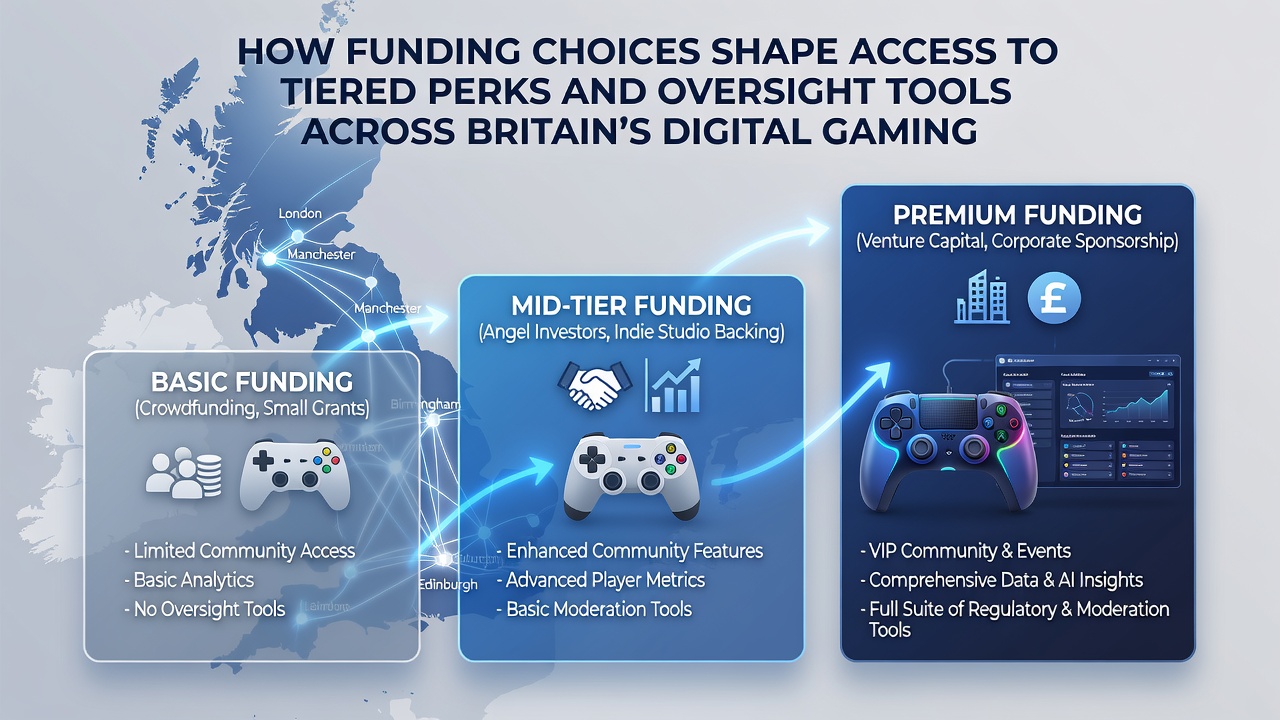
Observers note that platforms update these mechanics periodically. In October 2026 several major sites adjusted their tier entry requirements upward by 15 percent, according to aggregated industry data, which shifted more players into mid-level categories while expanding the availability of session-monitoring dashboards.
Case Examples from Platform Operations
One major operator introduced a tier system where deposits above £500 within 30 days automatically grant access to a dedicated account manager and customised loss-limit calculators. Another platform links deposit frequency to free spin allocations, releasing additional rounds only after users maintain consistent funding for three consecutive weeks. These examples demonstrate how funding choices function as gatekeepers for both benefits and monitoring layers.
Academic studies from European research institutions further reveal that players who set deposit limits early maintain steadier progression through reward tiers because controlled spending avoids sudden drops that reset loyalty points.
Conclusion
Deposit patterns across Britain's digital gaming platforms serve as primary determinants for both tiered perk access and the prominence of oversight tools. Transaction data, loyalty structures, and platform updates scheduled through 2026 continue to shape these interconnections, with funding decisions remaining central to how rewards and protective features appear for individual accounts.