Digital Wallet Growth Redefines Reward Tiers Across Britain's Licensed Gaming Platforms
Clara Powell · Oct 26, 2026
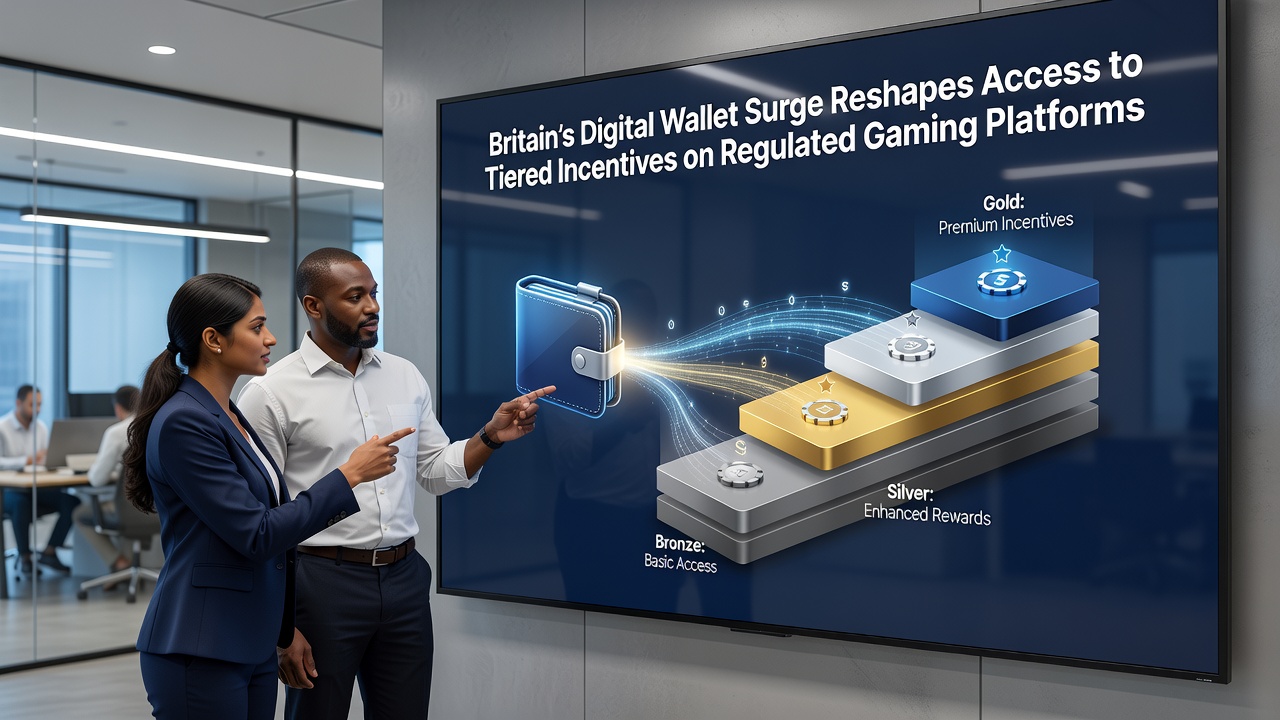
Digital Wallet Growth Redefines Reward Tiers Across Britain's Licensed Gaming Platforms
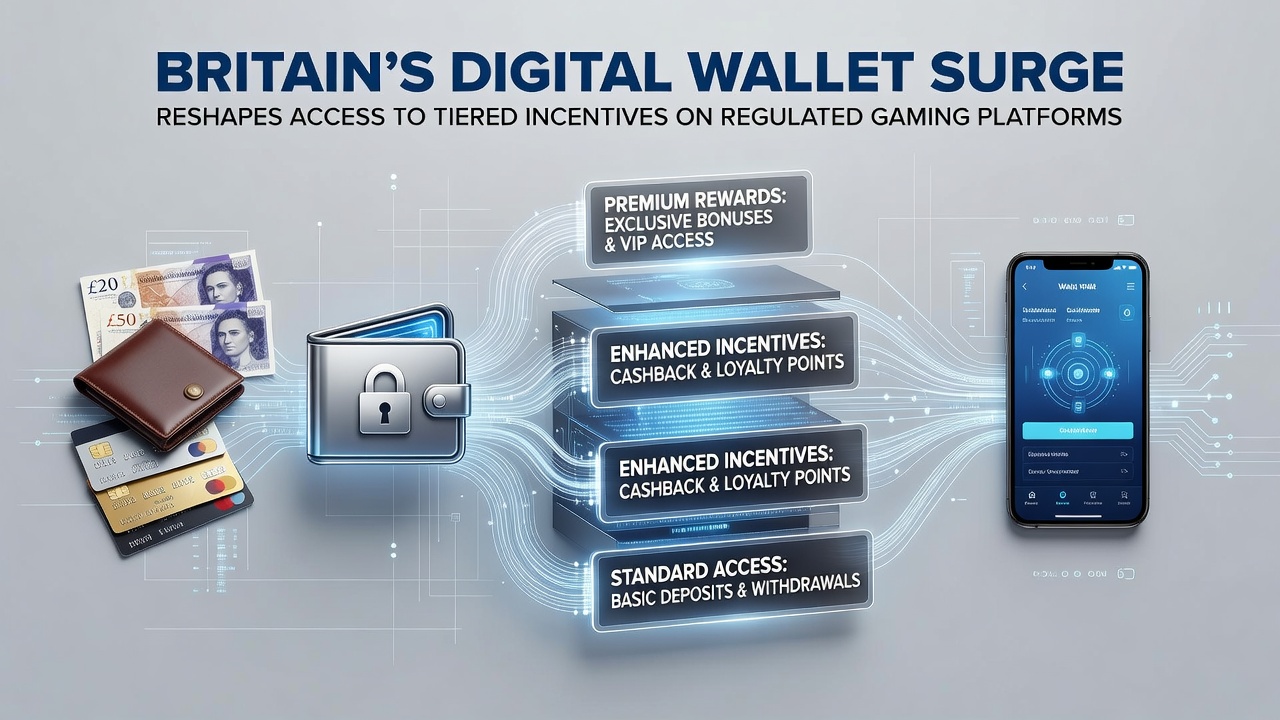
Britain has witnessed a marked increase in digital wallet usage on regulated gaming platforms since 2024, and this shift continues to influence how players reach successive reward tiers. Data from payment processors indicate that transactions via services such as Apple Pay, Google Pay, and dedicated e-wallets now account for over 60 percent of deposits on licensed sites. This change affects eligibility for progressive incentives because many platforms link tier advancement directly to deposit frequency and volume processed through verified digital channels.
Payment Method Evolution and Platform Integration
Regulated operators have updated their systems to accommodate faster settlement times that digital wallets provide. Instant confirmation of funds allows loyalty programs to credit points within minutes rather than the hours previously required for bank transfers. Observers note that platforms began rolling out these integrations in late 2025, with full rollout across major brands completed by mid-2026. The result is a more immediate connection between player activity and the unlocking of higher incentive brackets.
Researchers at several European institutions have tracked how these technical adjustments alter user behavior. One study released in September 2026 documented a 28 percent rise in players reaching mid-tier status within their first month of activity when using digital wallets compared with traditional card methods. The same report highlighted that the streamlined process reduces friction at each deposit step, which in turn accelerates progression through the tier structure.
October 2026 Data Snapshot
Figures released in October 2026 by the European Gaming and Betting Association show that digital wallet adoption on British platforms reached 67 percent of all deposits that month. The association's analysis covers multiple jurisdictions and notes parallel trends in other regulated markets, yet Britain's percentage sits above the regional average. This statistic correlates with an expansion in the number of active loyalty accounts that crossed into premium reward categories during the same period.
Platforms have responded by adjusting the criteria that govern tier access. Some now count digital wallet transactions at a higher weighting when calculating qualification for upper levels. Others have introduced wallet-specific bonuses that feed directly into point totals, creating an additional pathway for players who prefer these methods. Industry reports indicate that such modifications appeared on roughly one third of licensed sites by the start of October 2026.
Regulatory Context and Compliance Requirements
British regulations require that all payment methods undergo the same verification standards regardless of speed. Digital wallets satisfy these checks through their own identity protocols, which many operators now accept as equivalent to direct bank verification. This equivalence has allowed platforms to maintain compliance while offering quicker access to tiered features. The European Gaming and Betting Association has published guidance on aligning wallet technology with existing responsible gaming tools, and several British operators cite this framework when updating their systems.
Another source of data comes from the US Federal Reserve digital payments research series, which includes comparative sections on international adoption rates. Although focused primarily on North America, the 2026 edition references Britain's wallet usage patterns as a benchmark for mature markets. These cross-regional comparisons help illustrate why British platforms have moved quickly to embed wallet functionality into their reward architectures.
Player Progression Patterns
Those who monitor platform analytics report that digital wallet users tend to maintain more consistent deposit schedules. Consistency matters because most tier systems award points based on rolling 30-day or 90-day windows. When deposits arrive through instant methods, the points accumulate without the delays that once interrupted progress. One case reviewed in an academic paper from a Canadian research group showed that players using wallets advanced an average of 1.4 tiers faster over a six-month span than those relying on other payment types.
Examples from individual platforms further illustrate the shift. Several major operators introduced wallet-only promotional codes in early 2026 that automatically contribute to tier points upon redemption. These codes appear alongside standard offers and have become a visible feature in marketing materials aimed at existing account holders. The approach keeps the incentive structure intact while channeling activity through the preferred payment rails.
Conclusion
The surge in digital wallet usage has produced measurable effects on how regulated British gaming platforms structure and deliver tiered incentives. Transaction speed, verification equivalence, and adjusted weighting rules have combined to alter the timeline on which players reach successive reward levels. Data collected through October 2026 confirm that these changes continue to shape participation patterns across the sector, with no indication that the trend will reverse in the near term.