Genting Casinos UK Highlights Risks From Proposed Machine Games Duty Rise
Greta Washington · Sep 28, 2026

Genting Casinos UK Highlights Risks From Proposed Machine Games Duty Rise
Genting Casinos UK has issued a direct warning that doubling the Machine Games Duty from 20% to 40% would push 13 of its 32 British casinos into unprofitability or unsustainable operations, according to statements released in connection with the upcoming Autumn Budget; the company projects this change would add roughly £16 million in annual costs while placing more than 850 jobs at risk across venues and support functions.
Details of the Proposed Tax Change
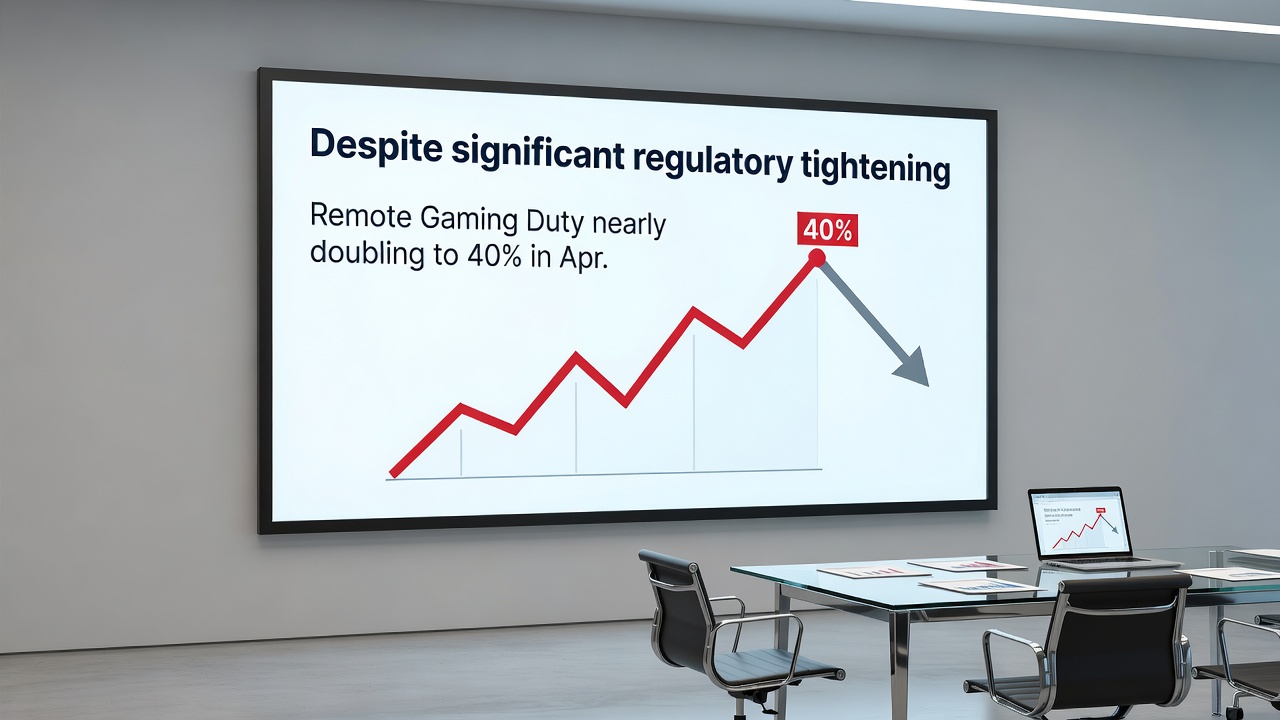
Current Machine Games Duty sits at 20% on gaming machine revenues, yet the government has signaled consideration of an increase to 40% as part of broader fiscal measures; Genting Casinos UK modeled the impact internally and determined that nearly half its locations would no longer cover operating expenses under the higher rate, a calculation referenced through the chief executive's public commentary rather than a standalone public report.
Paul Willcock, the CEO, outlined these projections in an opinion piece published by CityAM, noting that the extra burden would affect not only the casinos themselves but also related employment in regional economies where the venues operate, while the figures show direct consequences for tax contributions the sites currently generate.
Scope of Affected Operations
The 13 casinos identified span multiple regions across the UK, and the projected closures would eliminate positions in gaming floors, hospitality services, security, and administrative support; data from the company's assessment indicates the duty rise would compound existing cost pressures without corresponding adjustments in revenue streams from machine play.
Those who have reviewed similar tax adjustments in past cycles point out that machine duty changes hit high-volume locations hardest, and Genting's analysis aligns with patterns observed when rates climb without parallel growth in player spending; the company emphasized that sustained operations depend on balanced duty levels that allow reinvestment in facilities and staff training.
Economic Considerations Raised
Willcock's commentary stressed the wider ripple effects on investment decisions, local supply chains, and overall tax receipts from the sector, because closures would remove both direct employment and indirect spending in surrounding businesses; the modeling showed annual cost increases of approximately £16 million distributed across the portfolio, reducing margins to the point where continued trading becomes untenable for the specified sites.
Observers familiar with the British casino landscape note that Genting operates a significant share of licensed venues, so the potential loss of 13 locations represents a measurable contraction in available gaming facilities and associated jobs; the Autumn Budget timeline means operators must prepare contingency plans while awaiting final confirmation of any duty adjustment.
Context Within Industry Operations
Gaming machines form a core revenue component for land-based casinos in the UK, and the duty applies uniformly regardless of venue size or location; Genting's position highlights how a 20-percentage-point increase would shift the economics for mid-tier sites that already balance thin margins against regulatory compliance and maintenance costs.
Figures released alongside the warning indicate over 850 positions tied directly to the at-risk casinos, encompassing roles from croupiers and technicians to management and marketing teams; support functions such as central reservations and compliance offices would also face reductions if multiple venues shutter.
Conclusion
The warning from Genting Casinos UK centers on concrete projections of unprofitability for 13 sites, an added £16 million annual cost, and threats to more than 850 jobs if Machine Games Duty doubles in the Autumn Budget; the company has placed these details before policymakers through the CEO's CityAM contribution, underscoring the direct link between duty rates and operational viability without additional commentary on broader policy goals.