New UK Casino Brands Enter Market Despite Upcoming Tax and Fee Increases
Greta Washington · Aug 31, 2026

New UK Casino Brands Enter Market Despite Upcoming Tax and Fee Increases
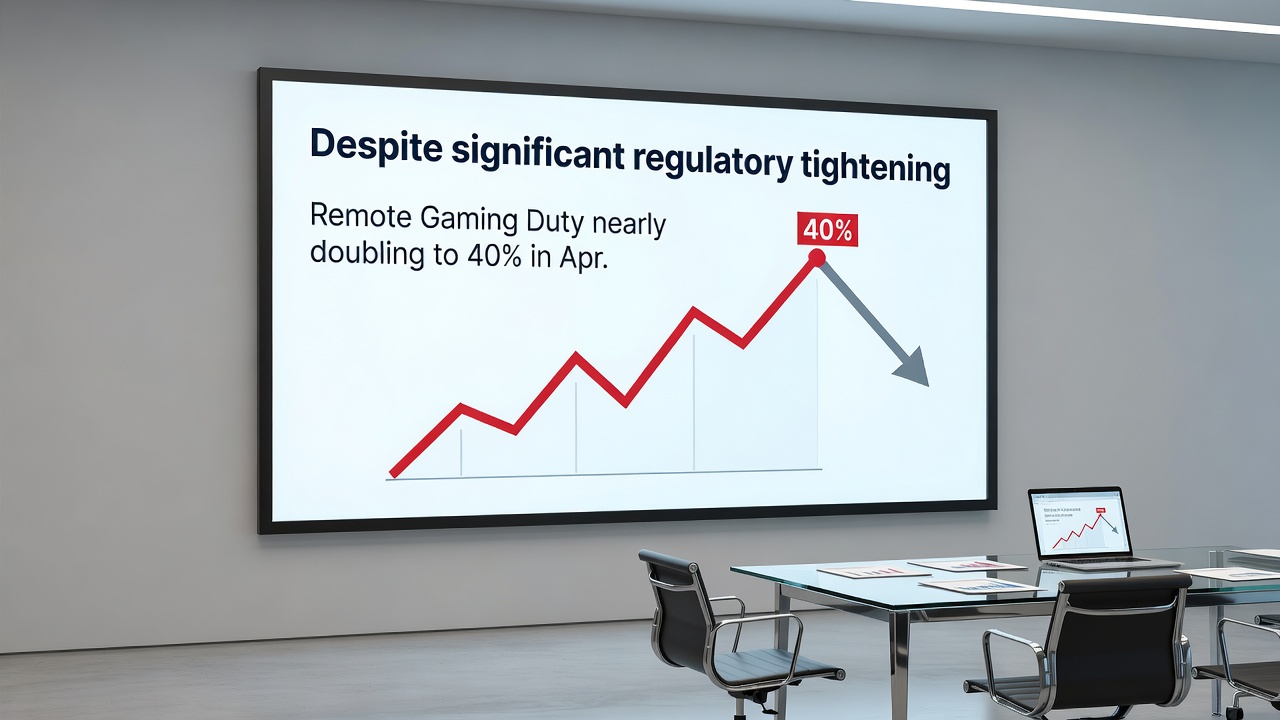
Regulatory changes have tightened the operating environment for UK online gambling operators, yet new casino brands continue to appear at a consistent rate according to industry reports from August 2026. Remote Gaming Duty stands scheduled to nearly double and reach 40 percent by April 2026, while Gambling Commission licence fees are set to increase by 25 percent starting in October 2026, yet launches persist because white-label arrangements reduce many of the usual setup costs and administrative burdens.
Recent Brand Entries Highlight Ongoing Activity
Betcrown represents one such addition to the market, operated by the former Playluck team, while 44aces has entered using Skill On Net Limited’s white-label platform. These examples illustrate how new sites maintain a presence even as costs rise, because the model allows partners to focus on branding and marketing while the platform provider manages licensing, compliance, payments, and technical integrations. Data from operator register listings shows multiple new licence grants continue to appear despite the scheduled duty adjustment and fee hike.
Platform providers absorb the core regulatory requirements under this structure, which means individual brands avoid direct negotiation of every compliance element from the outset. Observers note that this division of responsibilities keeps entry points accessible for teams with established industry experience, such as the group behind Betcrown, and for operators already connected to established white-label infrastructure like Skill On Net Limited.
White-Label Arrangements Reduce Operational Barriers
The white-label and multi-skin approach has become a practical pathway because it centralizes several functions that would otherwise demand separate resources. Licensing stays with the platform holder, compliance documentation routes through the same entity, payment processing integrates via pre-existing systems, and game suppliers connect through standardized APIs. Partners therefore concentrate on site design, player acquisition, and localized content while the underlying provider handles the heavier technical and regulatory load.
According to the referenced industry coverage, this arrangement explains why launches remain steady even though Remote Gaming Duty will reach 40 percent and licence fees will climb 25 percent. New brands can project revenue streams that still cover the elevated duty once the April 2026 change takes effect, provided volume and retention targets align with the higher cost base. The model also spreads fixed compliance expenses across multiple skins, which lowers the per-brand outlay compared with standalone licence applications.
Regulatory Timeline and Market Response
The April 2026 duty increase and the October 2026 fee adjustment form a defined sequence that operators have had time to model. Teams preparing entries in August 2026 therefore incorporate the forthcoming rates into their financial projections from day one. Public register data available via the Gambling Commission continues to record new operator listings, indicating that the projected cost structure has not halted all activity.
Skill On Net Limited’s platform, for instance, already holds the necessary authorisations, so 44aces can launch without repeating the full licensing process. Similarly, the Playluck alumni behind Betcrown bring prior operational knowledge that shortens the ramp-up period. These factors combine to keep the pace of new sites visible even as the overall regulatory burden grows.
Implications for Platform Providers and New Entrants
Platform companies benefit because each additional skin generates incremental revenue without proportional increases in compliance overhead. The same infrastructure supports multiple branded sites, which means the marginal cost of adding 44aces or Betcrown stays limited once core systems are in place. New teams gain access to a ready-made operational backbone, allowing them to allocate capital toward marketing and player experience rather than building payment rails or regulatory teams from scratch.
Figures published in the August 2026 report confirm that launches have not slowed to zero despite the announced duty doubling and fee rise. Instead, the market shows continued differentiation through branding while the underlying technical and licensing responsibilities remain consolidated. This pattern aligns with earlier periods when cost pressures prompted operators to explore shared-service models rather than independent setups.
Conclusion
The combination of scheduled tax and fee increases has not eliminated new casino brand entries in the UK market as of August 2026. Betcrown and 44aces demonstrate that white-label arrangements continue to support launches by shifting licensing, compliance, payments, and integrations to platform providers. Public register activity and industry coverage indicate that operators are adapting their structures to the forthcoming 40 percent Remote Gaming Duty and 25 percent licence fee increase rather than pausing expansion entirely.