The Dynamics of Reward Programs and Harm Prevention Strategies at British Internet Casinos
Taylor Berger · Aug 20, 2026
The Dynamics of Reward Programs and Harm Prevention Strategies at British Internet Casinos
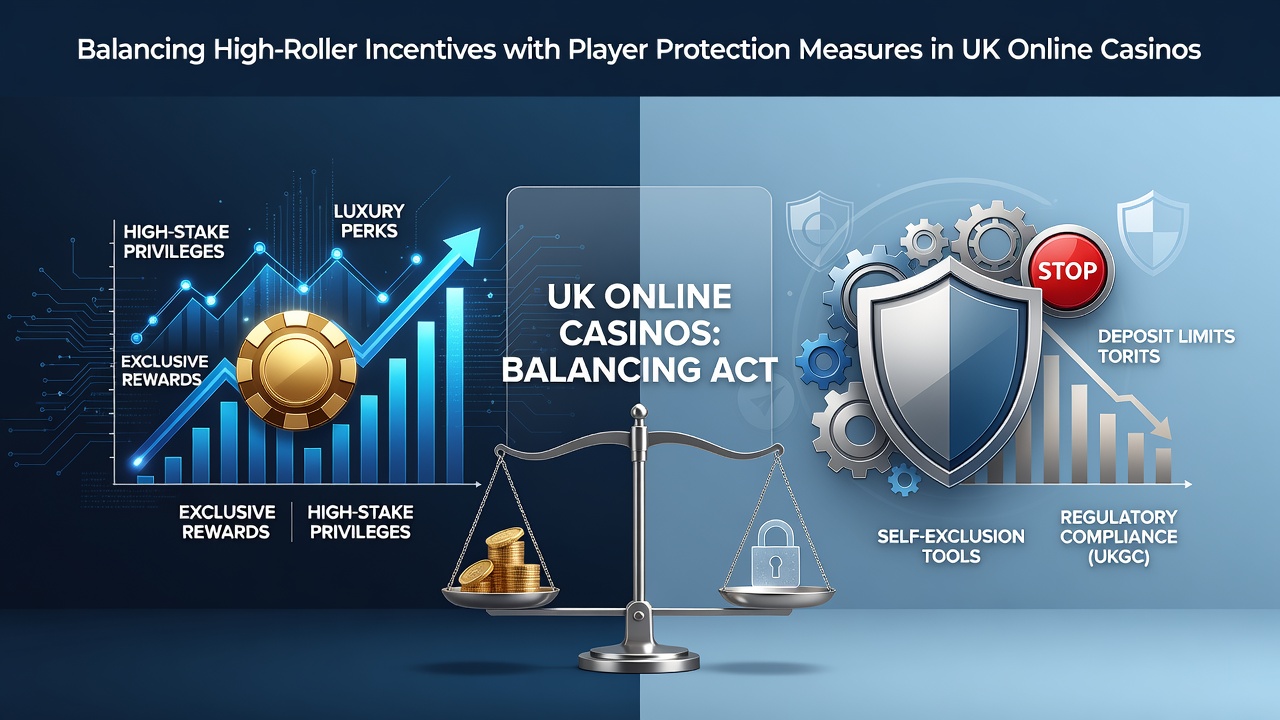
UK online casinos have developed intricate systems that pair generous rewards for high-value players with structured safeguards designed to limit potential harm, and these arrangements continue to evolve as operators respond to regulatory shifts and emerging data on player behavior. High-roller incentives typically include tailored deposit bonuses, cashback offers, priority access to new games, and exclusive event invitations, while protection measures range from mandatory spending caps to personalized interventions triggered by detected patterns of rapid loss or extended play sessions.
Core Elements of High-Roller Reward Structures
Operators segment players based on deposit volume and activity frequency, then deliver incentives scaled to individual profiles, yet these programs must operate within frameworks that require clear disclosure of terms and automatic enrollment in responsible gambling tools. Data from industry reports shows that VIP tiers often grant higher withdrawal limits alongside invitations to private tournaments, and such benefits encourage sustained engagement without overriding the requirement for players to set personal deposit limits at account creation. Research indicates that many platforms integrate loyalty points that convert into both playable credits and non-cash rewards such as merchandise, which spreads the value across categories less directly tied to continued betting.
Player Protection Protocols in Practice
Protection systems rely on real-time monitoring software that flags accounts showing sudden spikes in wager size or session duration, prompting staff to initiate contact through email or in-app messages that offer self-assessment questionnaires and temporary cooling-off periods. Studies from academic institutions have documented how these algorithms incorporate multiple indicators including time of day, payment method changes, and correlation with previous self-exclusion requests, allowing for earlier outreach before financial strain becomes evident. External bodies such as the Responsible Gambling Council have published findings on the effectiveness of multi-layered interventions that combine automated alerts with optional counseling referrals, and operators in the UK market have adopted similar layered approaches to meet both commercial and compliance objectives.
Integration Challenges and Operational Adjustments
Balancing these two priorities creates tension because high-roller perks aim to increase average revenue per user while protection tools can restrict the same revenue streams when triggered, and operators address this through segmented staff training that teaches account managers to recognize early signs of distress without revoking earned rewards outright. One documented approach involves converting part of a cashback offer into a restricted bonus that requires a cooling period before full access, thereby preserving the incentive's appeal while inserting a deliberate pause. Figures released in August 2026 from cross-border gambling research networks reveal that platforms employing such hybrid models report lower rates of account closures linked to problem gambling compared with those relying solely on standard self-exclusion lists.

What's notable is how technological upgrades have allowed finer calibration of both incentives and safeguards, with machine learning models now predicting risk levels days in advance rather than reacting after losses accumulate. Observers note that these predictive tools draw on anonymized datasets shared across operators under strict privacy protocols, enabling industry-wide benchmarks without compromising individual confidentiality. Yet implementation varies, and smaller platforms sometimes lack the resources for advanced analytics, leading them to partner with third-party providers that supply standardized monitoring dashboards.
Regulatory Context and Industry Benchmarks
Although UK-specific regulators set baseline requirements, operators also reference guidelines from international sources such as the Australian Gambling Research Centre when designing loyalty structures that include built-in loss-limit reminders. Evidence suggests that programs which embed protection messaging directly into reward communications achieve higher uptake of voluntary limit-setting tools, and this integration reduces the perception that safeguards exist only as afterthoughts. Case examples from multiple jurisdictions demonstrate that transparent communication about how high-roller status interacts with spending caps helps maintain player trust even when restrictions activate.
Future Developments and Data Trends
Looking ahead, updates scheduled for late 2026 emphasize expanded use of biometric verification to strengthen age and identity checks, which could further streamline the process of applying tailored protection measures to high-value accounts. Researchers continue to examine whether reward structures that emphasize experiential benefits over direct cash equivalents produce different risk profiles, and preliminary findings point toward modest reductions in chasing behavior among participants who receive event tickets rather than bonus funds. These ongoing evaluations supply operators with fresh parameters for refining their dual focus on retention and harm reduction.
Conclusion
UK online casinos maintain complex arrangements that deliver high-roller incentives while embedding multiple layers of player protection, and continued refinement of monitoring technology alongside cross-industry data sharing supports more precise calibration of both elements. As new benchmarks emerge from international research bodies and regulatory timelines advance, operators adapt their systems to sustain commercial objectives without compromising the safeguards that limit exposure to gambling-related harm. The interplay between these priorities remains a central operational concern across the sector.